
Typography in 2026 arrives like a freshly inked print raw, alive, and unapologetically imperfect. The era of polished precision and sterile design is quietly fading into the background. In its place comes texture, breath, and grit design that feels human rather than manufactured. Typography now embraces the “absolutely imperfect” as more than a visual style; it’s a statement. You notice the grain, the human fingerprint, the subtle misalignments that give letters their soul. Like a DTF print pressed into fabric, it carries depth, uneven pressure, and warmth. Typography is no longer just something you see it’s something you can almost feel.
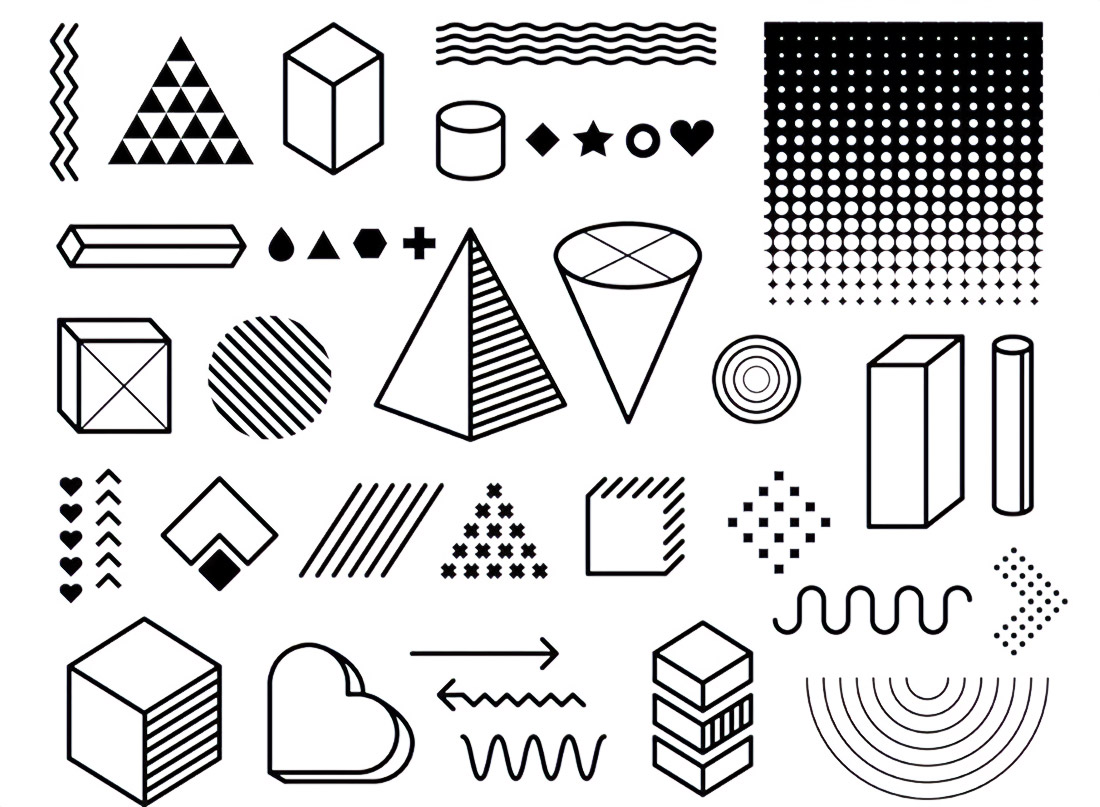
Collages, naive illustrations, graphic design assets, punk codes, and torn edges take center stage. Fonts don’t just sit neatly anymore; they stumble, smear, scream, and whisper in the same sentence. The once invisible scaffolding of design now shows its welds. Typography is rediscovering its humanity through friction.
The Motion Of Type And The Pulse Of Print
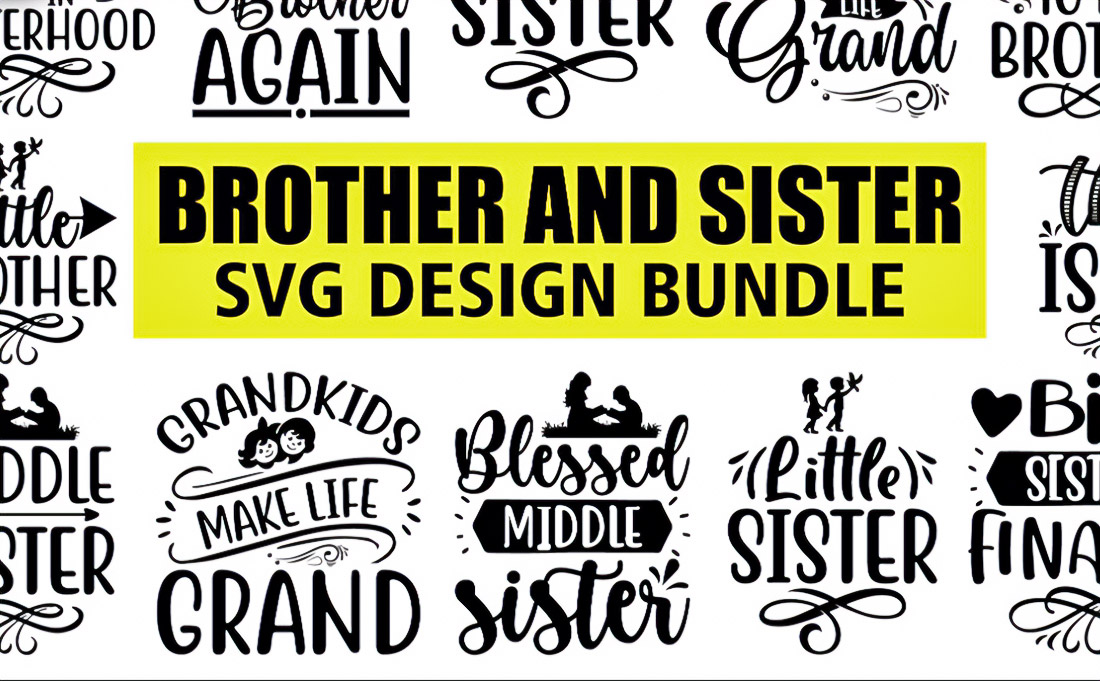
Text is in motion restless, kinetic, and unpredictable. Letters stretch, contract, twist mid-sentence. Kinetic typography blurs the line between motion and emotion: type breathes, hesitates, breaks rhythm, then bursts forward again. Variable fonts amplify this a single family of 84 styles and 12 weights can morph mood like sound modulation.
Here’s where DTF printing finds its echo. Just as ink fuses into fabric through pressure and heat, motion typography fuses into perception through rhythm and tension. Controlled chaos deliberate friction creates a sensory pulse. You don’t read this kind of type; you feel it under your skin.
The age of static banners is over. Typography vibrates, it hums. Every bend in a line carries human impulse, spontaneous, imperfect, but genuine. Perfection feels robotic; imperfection feels alive.
Grain, Touch, And The Return Of Texture
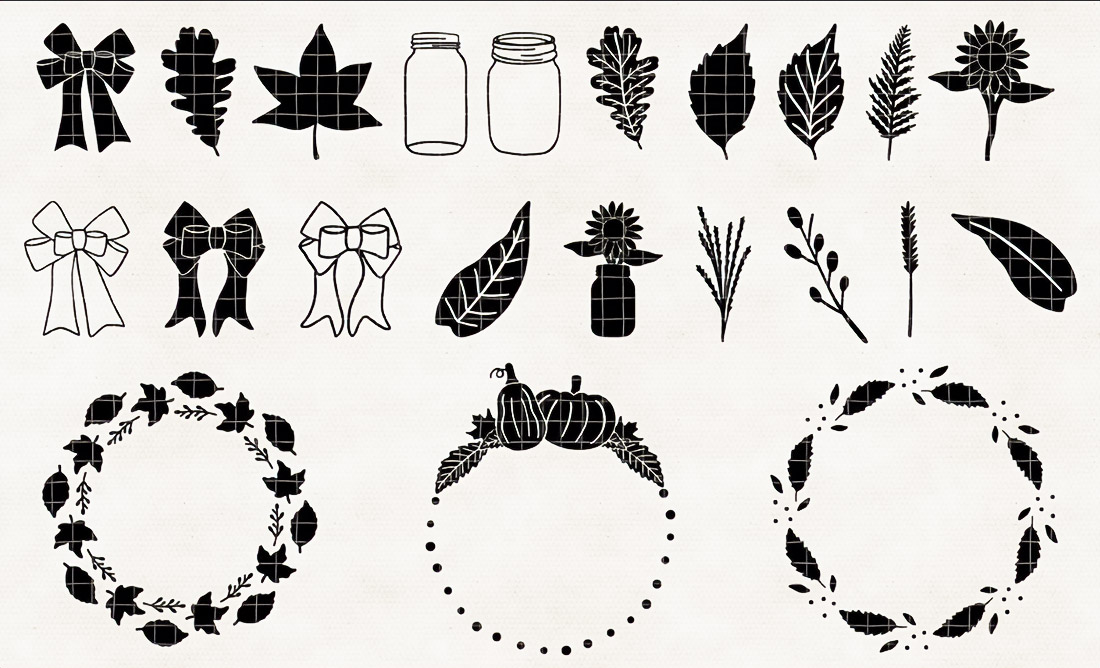
2026 is the year of touching. Tactility becomes the main argument against lifeless smoothness. Grain, hyper-realistic 3D shading, and layered textures restore the body to the visual. Even digital typography borrows from DTF printing soft gradients mimicking pressure marks, heat-pressed fades, or misregistered overlays that suggest movement frozen mid-print.
Soft brutalism is born from the collision of massive blocks and warm gradients. Bright palettes flow like molten ink; surfaces shimmer as if freshly pressed. Even UI designs feel handcrafted textured, smudged, imperfectly perfect. It’s intimacy coded into design.
Serifs are returning, but not for the sake of retro nostalgia. High-contrast serifs and mutant heritage show that the past can not just be quoted, but reinterpreted. Families with support for up to 409 languages and 2,000 glyphs are becoming global, but they retain their individuality. This is the new humanism of typography.
Collage, Maximalism, And The Code Beneath
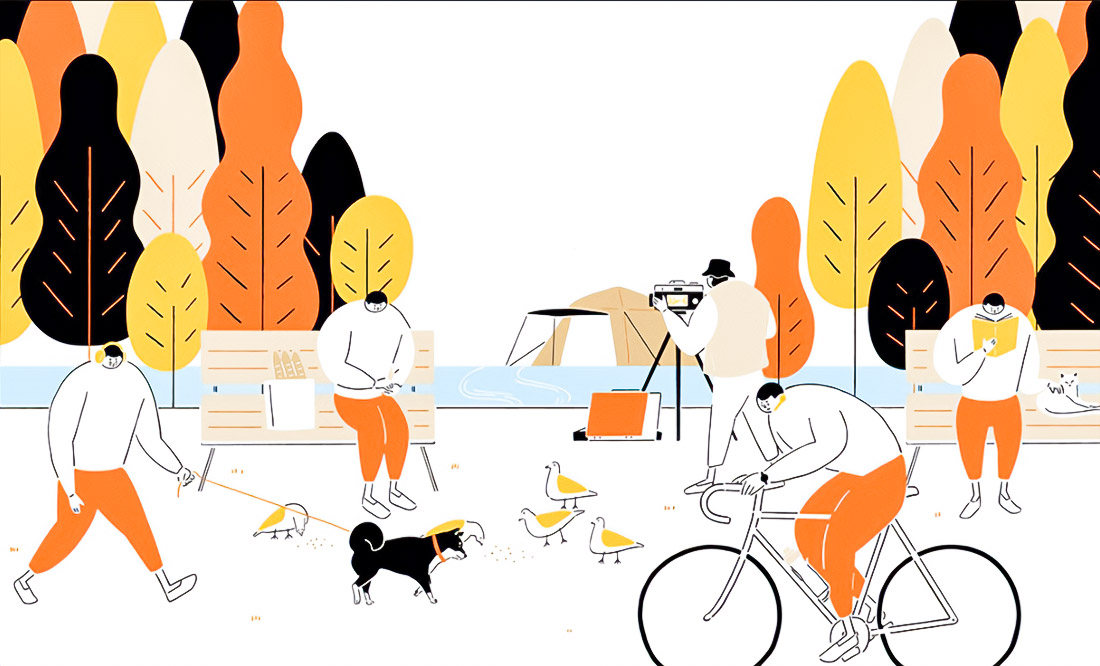
Typographic maximalism thrives on saturation, “intense joy,” and layers that defy quiet minimalism. Type overlaps type. Asymmetry becomes the heartbeat of storytelling. Typography doesn’t just convey what it narrates. It has tone, gesture, even voice.
Generative systems and code-driven grids keep chaos on a tight leash. Parameters shift dynamically, scaling layouts like breathing organisms. DTF printing parallels this logic: every press unique, every repetition slightly altered, every layer alive.
The coordinates 1757, 1884, 2005, 2009, 2022 are milestones in typographic evolution. They remind us that type has always evolved alongside technology, from metal to motion, from ink to digital fabric. Typography in 2026 is no longer passive ink on a page. Its presence is textured, kinetic, and breathing. Like a DTF print that fuses pigment and surface, type now fuses concept and emotion. Controlled chaos, vibrant rhythm, tactile precision typography becomes the pulse of a world learning to feel its own words again..
Hockey fan, tattoo addict, hiphop head, Eames fan and independent Art Director. Operating at the intersection of art and purpose to give life to your brand. I work with Fortune 500 companies and startups.